
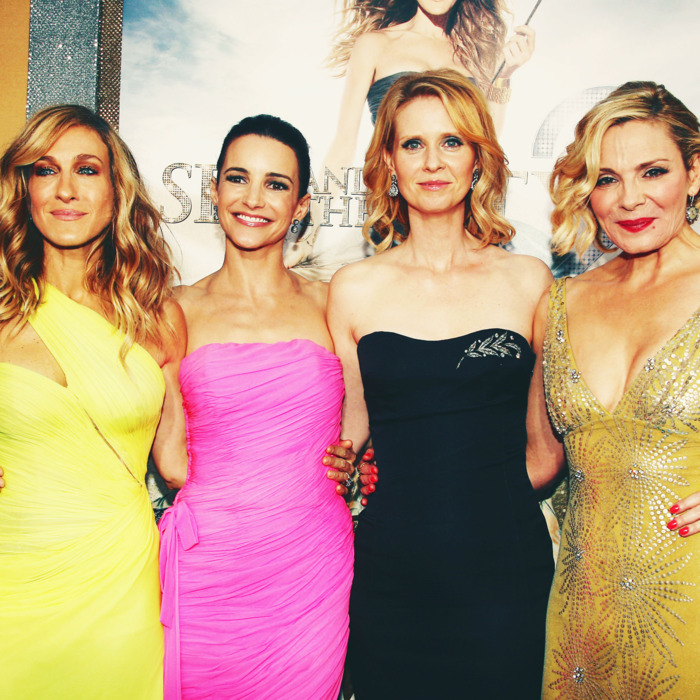
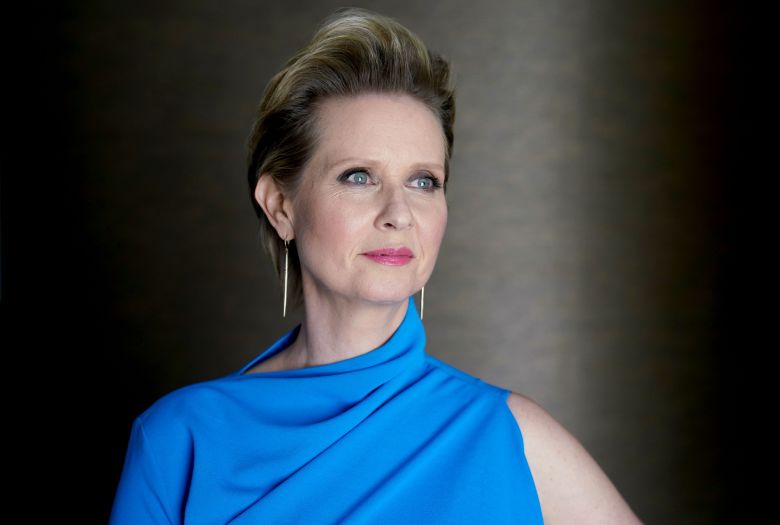
Cynthia Nixon who famously played Miranda, ambitious lawyer in Sex and the City, American romantic comedy-drama series about romantic and sexual adventures of four women in New York City. The HBO TV series had a huge success not only on the U.S.A bit worldwide. Though it finally ended six years ago, many fans all over the world keep re- watching it again and again which made it a household name all around the world.
Nixon who played in many other films but is still remembered as “Miranda from Sex and the City” gave interview to Indiwire.com and provided the critics of this show. She said while Sex and the City was empowering many women from 30-50 to embrace their sexuality and continue leading active lifestyle, the show, she says, still fails to represent different members of society including women of color and women who cannot afford lavish clothes and glamorous lifestyle of the main characters. Although fantasy element plays huge part in success of this TV series, many women still cannot entirely relate to any of the four characters.
Sex and the City was notoriously famous when it just came out in the early 2000s. It was one of those shows that was watched secretly at first but with a great pleasure nevertheless. Carrie Bradshaw runs a column about relationships and sex with a very self-explanatory name “Sex and the City”. Carrie explores her own experiences and experiences of her friends and creates a parallel between herself and other women. She is not afraid to raise challenging issues one of which is the right of a woman not to be judged by being single. Everything is taking place with the New York City on the background with fashionable clothes, parties and night life.
This TV series was called feminist because women finally embraced to be single and managed to silent those who shame them for that( at least in the Western world). This shown is rewatched again and again, the videos of SATC published online often gather millions of views and the comments left behind are not only emotionally charged but also very recent.
Why would the role in this outwardly shallow series outshined all the other roles of four actresses? Why would Nixon and Sarah Jessica Parker who played Carrie are still bombarded with the questions about it?
In my opinion, women are still afraid to embrace their sexuality after they hit 35 or 40 and they search for boost of confidence and consolation of course from SATC. Hardly ever any show in history managed to compile all the problems of late womanhood in show. The tales of friendship, bereavement, career, romance and sex are shown in melodramatic or often in a funny way. All characters, whether men or women in a show are never flaws. In fact many refer to them as “imperfectly perfect” which means that the positive and negative( whatever hell it means) are combined in such a skilful way, making the character very real. That I think is the main ingredient of the popularity-rawness.
Nixon along with other actresses of the show say that often women dress too immaculately. However, I think the criticism is unnecessary here. The creators of the show were sending message that it is possible to be successful and independent while embracing your womanhood and sexuality, and these traits which many see as “weak”( especially women themselves), could actually turn into a power. It is very widespread term “fake it until you make it”. Sexually active Samantha, career-oriented Miranda, dreamy Charlotte and creative Carrie all access their power through self-expression, which is often shown through clothes. While many see it as rather shallow, this can be life-changing for many.
With age, more and more women often handicap their attractiveness. Once the fatal number of 30, 40 or 50 appear on their passport, they seem to embrace less their feminine side. “Who is going to desire me anyway?” she thinks…. And then she watches Sex and the City…
Written by Chinara Sadikhova
I interviewed several women from 39-45 about what they think of women of their age group dressing sexy. Surprisingly, they talked very little about themselves using more abstract terms. Does it say a lot about what women think of themselves?
 Ageless Fashion